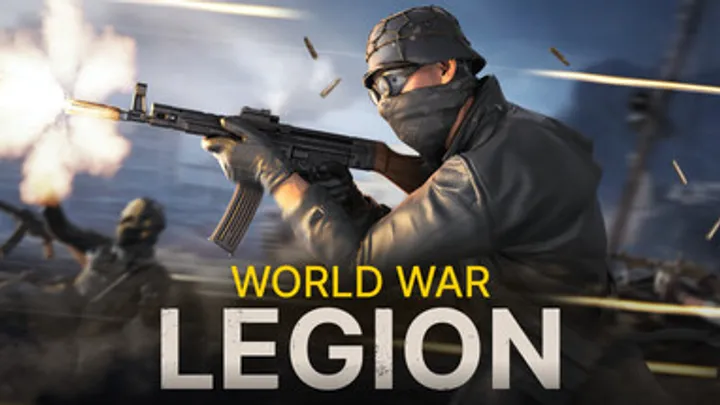




World War Legion is a real-time military strategy game focused on base building, troop deployment, resource control, and alliance warfare. Unlike casual strategy titles, progression depends on long-term planning, efficient resource allocation, smart troop composition, and coordinated PvP engagement.
This guide walks through the game chronologically — from early base development to advanced alliance warfare — helping you avoid common beginner traps and accelerate strategic dominance.
1. Understanding the Core Strategic Loop
At its core, World War Legion follows a military growth cycle:
Collect resources → Upgrade base → Train troops → Expand territory → Engage enemies → Reinvest gains.
Early Priorities
In the first phase:
- Resource production is slow.
- Troop capacity is limited.
- Defensive strength is weak.
Your main objective is stability — not aggression.
Protect Your Base First
Before attacking others:
- Upgrade defensive structures.
- Maintain troop reserves.
- Avoid provoking stronger players.
Survival equals progress.
2. Smart Base Building Order
Base structure order directly impacts progression speed.
Priority Upgrade List
- Headquarters
- Resource buildings
- Training facilities
- Defensive towers
Upgrading Headquarters unlocks advanced technology and stronger units.
Avoid Cosmetic Upgrades Early
Focus on performance-driven buildings rather than aesthetic enhancements.
Efficiency beats appearance.
3. Resource Management Strategy
Resources drive military power.
Primary resources typically include:
- Food
- Oil
- Steel
- Currency
Balance Production
Avoid focusing on one resource type. Imbalance creates upgrade bottlenecks.
Safe Storage Strategy
Upgrade storage capacity to prevent resource overflow or loss during attacks.
Unprotected surplus is wasted potential.
4. Troop Composition Fundamentals
Not all units are equal.
Balanced Army Structure
Maintain:
- Frontline infantry
- Armored units
- Long-range artillery
- Support units
Avoid overproducing a single unit type.
Understand Counter Mechanics
Infantry counters certain units.
Armor counters others.
Artillery excels at range but lacks durability.
Adapt to enemy composition.
5. Early-Game PvP Strategy
PvP can accelerate growth — or destroy progress.
Scout Before Attacking
Always:
- Analyze enemy base level
- Check troop count
- Evaluate alliance protection
Blind attacks lead to heavy losses.
Target Weak Opponents
Choose:
- Inactive players
- Isolated bases
- Resource-rich but poorly defended targets
Efficiency over pride.
6. Technology Research Optimization
Research boosts long-term strength.
Research Priority
Early focus:
- Resource production bonuses
- Troop training speed
- Defensive durability
Mid-game shift:
- Combat power upgrades
- Specialized troop enhancements
Avoid Scattered Research
Complete one branch before splitting focus.
Concentrated upgrades produce noticeable impact.
7. Alliance Strategy & Cooperation
Joining a strong alliance dramatically changes progression speed.
Benefits of Alliances
- Resource support
- Reinforcements
- Protection
- Coordinated attacks
Active Participation
Contribute to:
- Alliance missions
- Joint attacks
- Territory control
Inactive members receive fewer benefits.
Team coordination multiplies power.
8. Defensive Planning & Base Protection
Defense prevents progress setbacks.
Layered Defense Model
Structure:
- Outer defensive barriers
- High-HP units near entrance
- Artillery in protected zones
Shield Usage Timing
Use protective shields when:
- Offline for long periods
- Holding large resource stockpiles
Prevention is cheaper than rebuilding.
9. Mid-Game Expansion Strategy
Once stable, expansion becomes viable.
Controlled Aggression
Increase attack frequency gradually:
- Maintain resource surplus
- Avoid overtraining troops beyond economy support
Territory Advantage
Control strategic map zones for:
- Resource bonuses
- Tactical positioning
- Alliance dominance
Expansion must align with economic capability.
10. Late-Game War Optimization
High-level gameplay revolves around alliance warfare and strategic coordination.
Large-Scale War Planning
Coordinate:
- Attack timing
- Reinforcement waves
- Target prioritization
Random solo attacks fail in late-game scenarios.
Maintain Economic Backbone
Even at war level:
- Continue upgrading resource output
- Maintain balanced army
- Replace losses quickly
Sustained warfare requires sustainable economy.
Common Beginner Mistakes
- Attacking too early
- Ignoring storage upgrades
- Overtraining one troop type
- Neglecting research
- Staying alliance-free
Avoiding these significantly accelerates progress.
Conclusion
World War Legion rewards patience, coordination, and strategic discipline. Early survival sets the foundation for mid-game expansion, while alliance cooperation defines late-game dominance.
Approach the game as a long-term military campaign: build stable infrastructure, manage resources wisely, diversify troop composition, and engage in calculated warfare. Strategic structure always outperforms reckless aggression.