Resident Evil 9 – The Evolution of Biological Horror: How the New Infection System Redefines Fear

The upcoming Resident Evil 9 is expected to continue the long-running legacy of the Resident Evil series while pushing the biological horror concept into more complex territory. While earlier entries focused heavily on iconic viruses like the T‑Virus and the Las Plagas, Resident Evil 9 appears to emphasize a new type of evolving infection system that blurs the line between environment, organism, and psychological terror.

This article explores one specific aspect of the game in depth: the evolving biological infection ecosystem and how it changes the structure of horror within the game world. Rather than simply introducing new monsters, the infection in Resident Evil 9 appears to behave like a living system that spreads through environments, mutates over time, and alters both enemies and locations. Through ten chronological and thematic stages, we examine how the infection develops from subtle environmental contamination to full ecological collapse.
The Discovery Phase: The First Signs of the New Infection
Early Reports and Unexplained Illness
At the beginning of the narrative, reports emerge of strange illnesses affecting isolated communities. Unlike previous outbreaks in the Resident Evil universe, the symptoms appear inconsistent. Some victims exhibit mild neurological issues, while others develop severe biological mutations within hours.
This inconsistency is important. It suggests that the infection in Resident Evil 9 does not behave like a traditional virus with predictable progression. Instead, it acts more like an adaptive organism capable of interacting differently with each host.
Environmental Clues That Reveal the Spread
The earliest clues about the infection appear through environmental storytelling rather than direct exposition. Players encounter abandoned research facilities, contaminated farmland, and wildlife behaving unnaturally.
Common environmental signs include:
- Unusual fungal growths covering structures
- Distorted animal corpses showing hybrid mutations
- Water sources contaminated with organic residue
- Infected plant life spreading across rural areas
These early details hint that the infection is not limited to human hosts but has become an ecological force.
The Biological Origin: Experimental Evolution Beyond Viruses
The Scientific Experiments Behind the Outbreak
Unlike the engineered viruses created by organizations such as Umbrella Corporation, the biological agent in Resident Evil 9 appears to originate from experimental hybridization research.
Scientists attempted to combine viral genetic engineering with adaptive fungal organisms capable of environmental survival. The goal was to create a self-sustaining biological weapon that could spread without constant human intervention.
Hybrid Pathogens and Adaptive Mutation
The resulting organism combines several biological mechanisms:
- Viral infection of host cells
- Parasitic control of the nervous system
- Fungal networks spreading through soil and structures
This hybrid system allows the infection to mutate rapidly. Instead of producing a single type of monster, the pathogen creates a wide range of biological variations depending on environmental conditions.
Early Human Transformation: The First Generation of Infected
Gradual Physical Mutation
The first infected humans do not immediately transform into monstrous creatures. Instead, their bodies change gradually over time.
Symptoms include:
- Pale or discolored skin
- Increased aggression
- Loss of pain response
- Abnormal muscle growth
This slow transformation makes early encounters deeply unsettling because infected individuals still appear partially human.
Psychological Degradation
Alongside physical mutation, the infection causes neurological damage. Victims experience hallucinations, paranoia, and violent behavioral shifts.
This psychological component creates a unique horror dynamic: players cannot always immediately identify who is infected. Some characters appear normal until the infection reaches a critical stage.
Environmental Assimilation: When Locations Become Part of the Infection
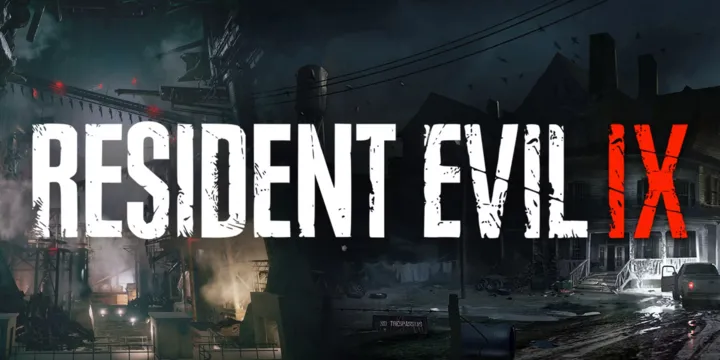
Buildings and Infrastructure Being Consumed
One of the most disturbing developments in Resident Evil 9 is the infection’s ability to spread into structures. Walls become covered with organic material resembling fungal veins.
This suggests that the pathogen forms a network similar to mycelium systems found in real-world fungi.
Living Architecture
In heavily contaminated areas, buildings themselves appear to become semi-organic environments.
Players may encounter:
- Doors sealed by hardened biological growth
- Pulsating organic structures replacing walls
- Hallways filled with breathing fungal sacs
These environments blur the line between location and organism, creating the feeling that players are exploring the inside of a living creature.
The Emergence of Specialized Mutations
Predator-Type Infected
As the infection evolves, it produces more advanced organisms designed for hunting. These creatures display heightened intelligence and speed.
Characteristics include:
- Enhanced sensory perception
- Coordinated pack behavior
- Rapid regeneration abilities
These predator types represent a new stage in the infection’s evolutionary process.
Environmental Guardians
In some areas, the infection produces massive stationary organisms that appear to protect contaminated zones.
These creatures resemble biological fortresses with thick armor-like tissue. Their existence suggests that the infection has developed defensive adaptations.
Wildlife Contamination and Ecosystem Collapse
Infected Animals
Unlike earlier Resident Evil games where animal infection was rare, Resident Evil 9 shows widespread contamination among wildlife.
Examples include:
- Mutated wolves with fungal growths replacing fur
- Birds exhibiting aggressive swarm behavior
- Infected livestock transforming into grotesque hybrids
These creatures expand the threat beyond human enemies.
Ecological Chain Reactions
As infected animals spread the pathogen, entire ecosystems begin to collapse. Predators attack humans, vegetation mutates, and natural environments become hostile.
This ecological dimension makes the infection feel like a global catastrophe rather than a localized outbreak.
Human Adaptation and Survival Communities

Isolated Safe Zones
Some survivors attempt to create fortified settlements protected from infection spread. These communities rely on strict quarantine procedures and environmental monitoring.
Typical defensive measures include:
- Fire barriers to destroy fungal growth
- Air filtration systems
- Controlled access checkpoints
These zones represent humanity’s attempt to resist the expanding biological network.
Internal Conflict Among Survivors
However, survival communities face constant tension. Fear of infection leads to paranoia and harsh decisions regarding suspected carriers.
The psychological pressure within these settlements becomes nearly as dangerous as the infected outside.
The Infection Network: A Planetary Biological System
Mycelium Communication
As the outbreak progresses, evidence suggests that the infection forms a vast underground network connecting contaminated areas.
Similar to real fungal communication systems, this network may allow infected organisms to share information.
Coordinated Mutation
This network could explain why new infected forms appear strategically rather than randomly.
Possible capabilities of the infection network include:
- Detecting human activity
- Redirecting mutation development
- Strengthening defenses around key zones
If true, the infection behaves less like a disease and more like a planetary intelligence.
The Final Evolution: Apex Biological Forms
The Creation of Apex Hosts
Near the climax of the narrative, the infection begins producing rare apex hosts. These individuals retain partial human intelligence while gaining extreme biological power.
They may serve as leaders within the infected ecosystem.
Characteristics of Apex Organisms
These entities display several terrifying abilities:
- Extreme regeneration
- Advanced tactical behavior
- Control over nearby infected creatures
Their existence suggests that the infection is evolving toward a structured hierarchy.
The Future of Biological Horror in Resident Evil

Expanding the Concept of Infection
Resident Evil 9 represents a shift away from simple virus outbreaks toward complex biological ecosystems.
The infection no longer exists merely to create monsters. Instead, it transforms entire environments and societies.
A New Direction for the Franchise
By focusing on ecological horror and adaptive mutation, Resident Evil 9 pushes the franchise into new narrative territory.
The terror comes not just from enemies, but from the realization that the world itself is becoming infected.
Conclusion
Resident Evil 9 appears poised to redefine biological horror by introducing an infection that functions as a living ecosystem rather than a simple virus. From early human symptoms to the creation of apex organisms and environmental assimilation, the game’s evolving pathogen reshapes the world in terrifying ways. This approach deepens the series’ core themes of scientific hubris and uncontrollable mutation, transforming the outbreak into a global ecological nightmare that threatens both humanity and the natural world.