




In the crowded world of battle royale games, Call of Duty: Warzone has managed to stand out by staying true to its roots while constantly evolving. Built on the legacy of the Call of Duty franchise, the game delivers a fast, intense experience that blends tactical gameplay with large-scale combat.
Rather than simply following trends, Warzone has continuously refined its formula, creating a competitive environment that keeps players engaged over time.
A Map That Shapes the Experience
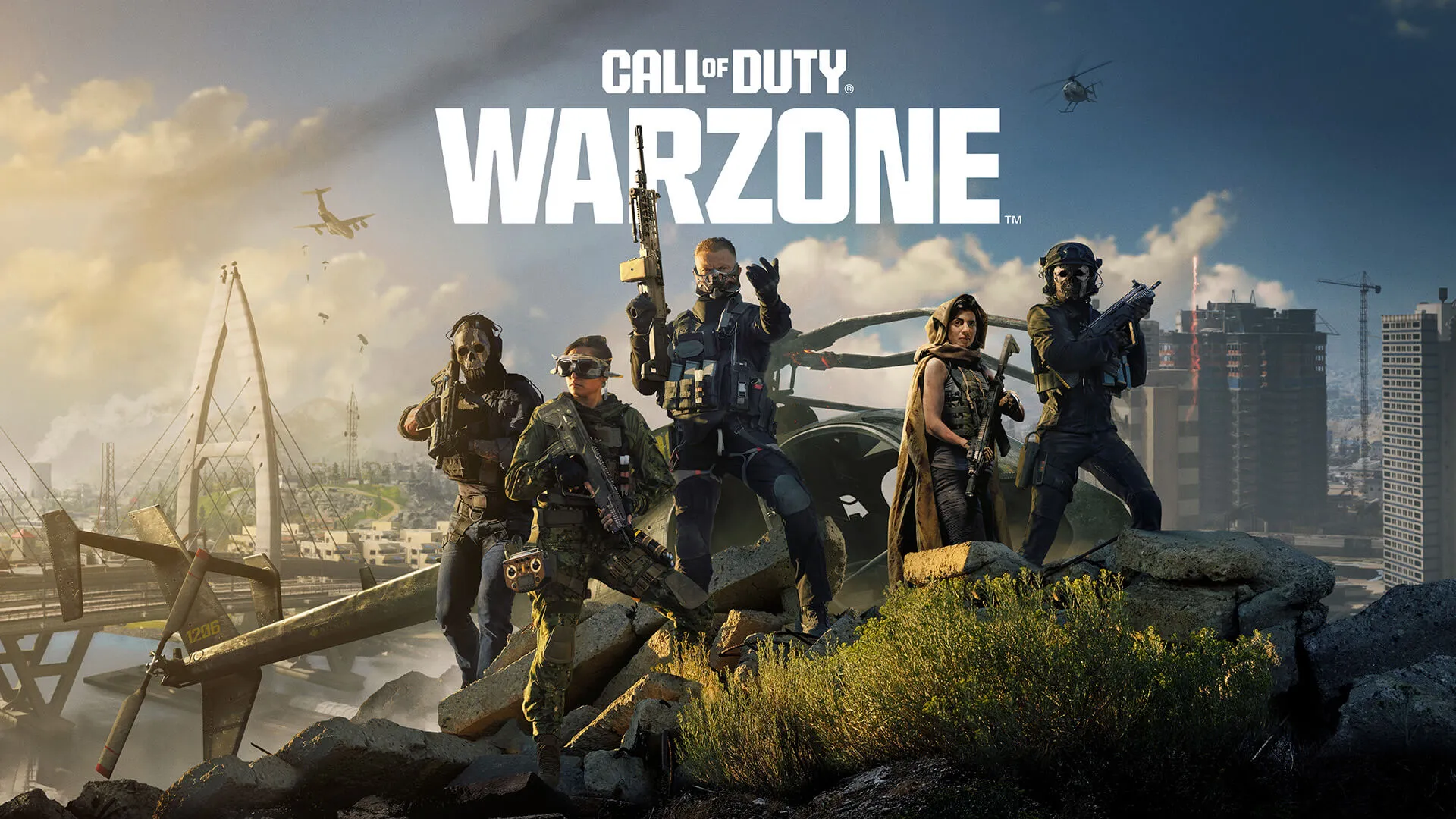
Warzone’s map design plays a crucial role in defining its identity. Each environment is carefully constructed to balance open combat zones with dense urban areas, allowing for a wide range of strategies.
Players can choose to engage in high-risk firefights or adopt a more calculated approach, navigating the terrain carefully. The map is not just a setting—it actively influences how matches unfold, encouraging adaptability and awareness.
Over time, changes to the map keep the experience fresh, ensuring that no two matches feel exactly the same.
Gunplay and Tactical Depth
At the heart of Warzone lies its gunplay, which is both responsive and deeply satisfying. Weapons feel impactful, and success often depends on precision, positioning, and decision-making.
The game rewards players who take the time to understand its mechanics. From managing recoil to selecting the right loadout, every choice matters. This level of depth adds a competitive edge that appeals to both casual players and seasoned veterans.
The Gulag: A Second Chance System
One of Warzone’s most unique features is the Gulag system. Instead of being eliminated immediately, players are given a chance to fight for their return.
This mechanic adds tension and excitement, transforming defeat into opportunity. It also keeps players engaged throughout the match, reducing frustration and encouraging continued participation.
The Gulag has become a defining element of the Warzone experience, setting it apart from other battle royale titles.
Squad-Based Strategy and Teamplay
While solo play is possible, Warzone truly shines in squad-based modes. Communication and coordination are essential for success, as players must work together to survive and outplay opponents.
Teams must balance aggression with caution, sharing resources and supporting each other in combat. This cooperative element strengthens the social aspect of the game, making each match a shared experience.
A Constantly Evolving Ecosystem
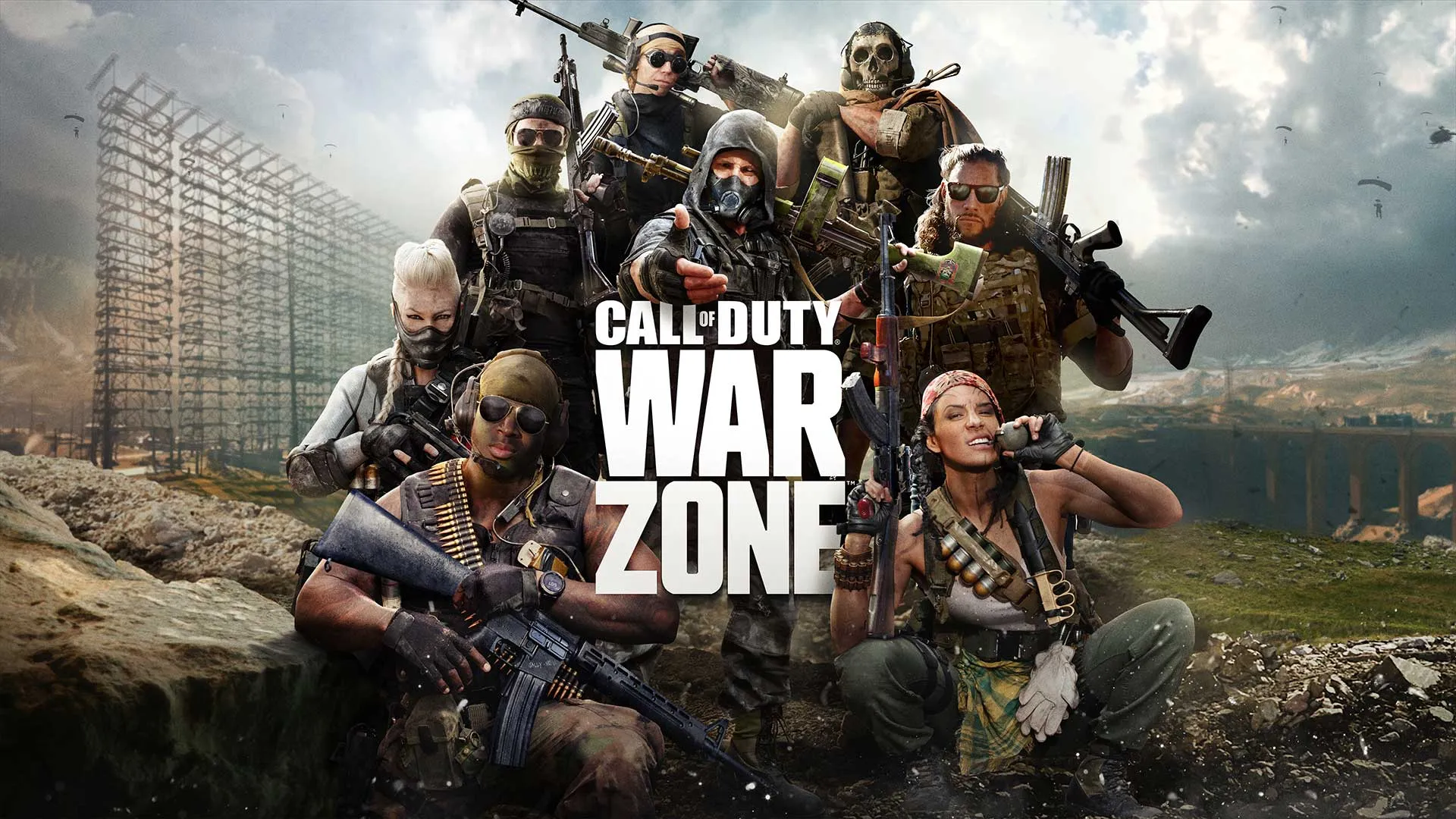
Warzone’s live-service model ensures that the game never remains static. Regular updates introduce new weapons, gameplay adjustments, and limited-time modes.
These changes keep the community engaged and encourage players to adapt their strategies. The evolving nature of the game is one of its strongest assets, allowing it to remain relevant in a competitive market.
The Influence of Streaming and Competitive Play
Warzone has also become a major presence in the streaming world. Content creators and professional players showcase high-level gameplay, attracting large audiences and shaping trends within the community.
This visibility contributes to the game’s popularity, creating a cycle where player interest and content creation reinforce each other.
Conclusion: A Benchmark for Battle Royale Games
Call of Duty: Warzone stands as a benchmark in the battle royale genre. Its combination of fast-paced action, strategic depth, and continuous updates has helped it maintain a strong presence in the gaming landscape.
As the genre continues to evolve, Warzone demonstrates that innovation does not always require reinvention. Sometimes, it is about refining what works and delivering it at the highest level.